B-prepared at the Civil Protection Forum
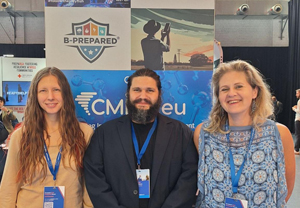
B-prepared had the privilege to be present at the European Civil Protection Forum in Brussels on 4-5 June 2024. The event was organised by the Union Civil Protection Knowledge Network

B-prepared had the privilege to be present at the European Civil Protection Forum in Brussels on 4-5 June 2024. The event was organised by the Union Civil Protection Knowledge Network

The first week of June found a cheerful crowd at BAO, Brussels, discussing the most pressing issues and future of European Disaster Resilience. Roundtables, a multitude of presentations from ongoing projects, lively discussions, refreshing coffee breaks and plenty of time for networking and exchanging ideas and views.

What’s the common denominator of disaster resilience, pirates, treasure maps, teamwork and having fun?
The answer is simple: you can find all of them at a B-prepared Co-Creation Group meeting!
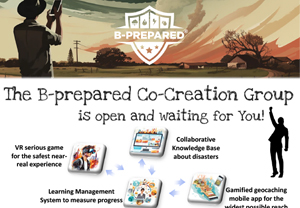
The B-prepared Co-Creation Group is open and waiting for you!

2024 April 23
SZTAKI (1111 Budapest, Kende u. 13-17)

In a recent interview with Flóra Földeák of Kossuth Rádió, András L. Majdik, the B-prepared Horizon Europe project coordinator at HUN-REN SZTAKI, talked about the innovative approach their project is taking to prepare citizens for a wide array of disaster situations.
He explained that rather than focusing on specific disaster types, their initiative targets a broader scope. Flash floods, earthquakes, forest fires, heatwaves, as well as smaller accidents like tunnel or subway mishaps, are all part of the comprehensive training materials they aim to provide. In a world where extreme weather events are becoming more frequent, the need for adaptable and inclusive disaster preparedness has never been more critical.

Embarking on a journey to unravel gaming habits, a comprehensive survey has been crafted to explore gamer preferences. It seeks understanding of the factors that influence gaming choices, genres, platforms and time commitments. With a broad demographic reach, participants are encouraged to share their favoured gaming platforms and session details, also delving into the impact of social and online elements.

Partner NSKI organized their V. Interdisciplinary Conference titled Crisis and adaptation in the Carpathian Basin. On behalf of SFC, Zoltán Székely introduced B-prepared project, its relevance, rationale and solutions to the audience. The video is available in Hungarian language.
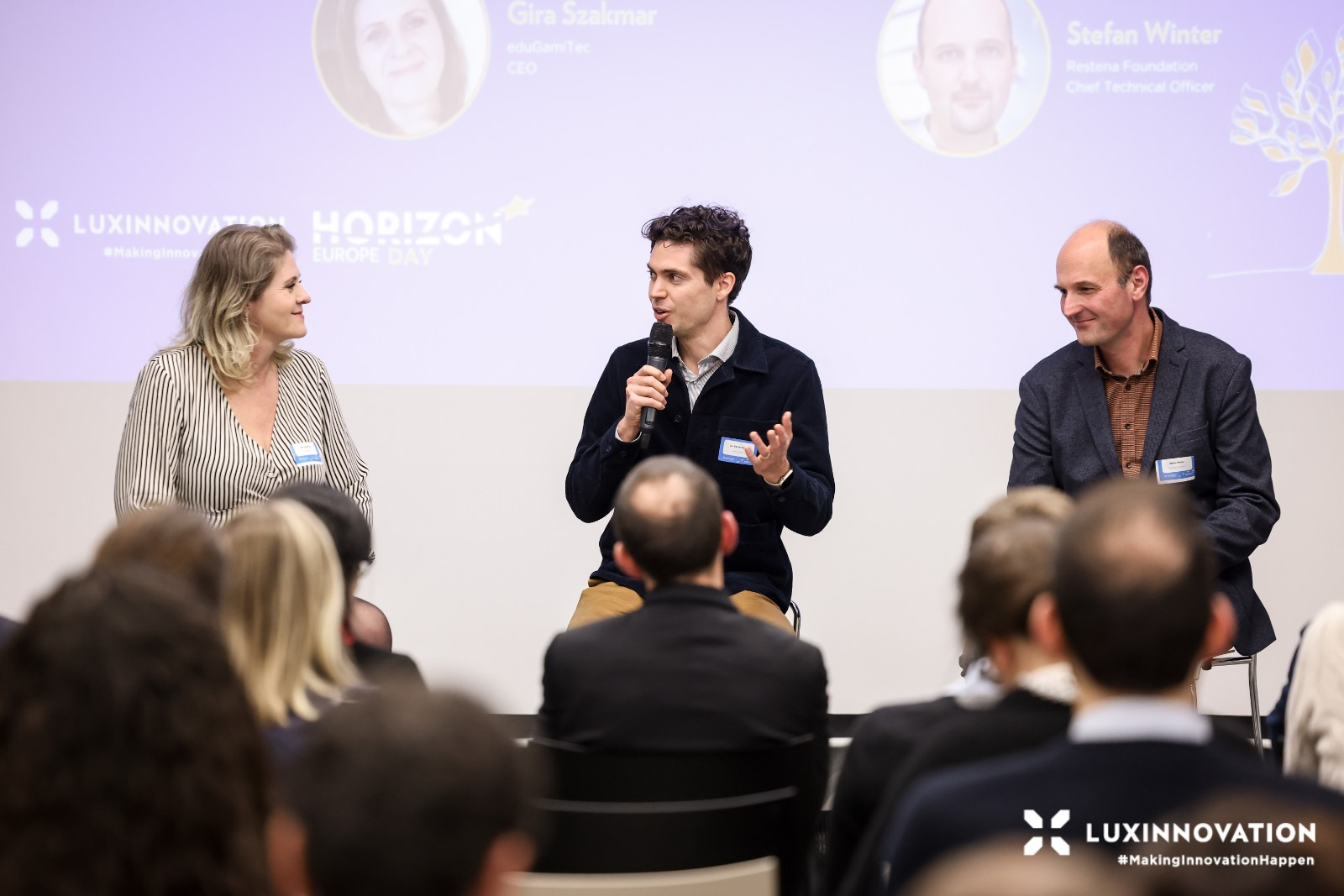
The outstanding achievement of eduGamiTec, representing the B-Prepared consortium, further enriched the success stories of Luxembourg at the country’s Horizon Europe Day 2023. Luxembourg, celebrating its outstanding success in the EU’s premier research funding program, is the top contributor in Europe in terms of financial contribution per inhabitant.
The MuseumDigit Conference series, organised by the National Centre for Museological Methodology and Information (NCMMI) at the premises of the Hungarian National Museum, celebrated its 10th anniversary in 2023.
As one of the exhibitors, the eLearning Department of the Institute for Automation and Control (SZTAKI) introduced sample solutions to organise virtual exhibitions in culture and education related domains, populating imitated 3D demonstration spaces. Multi-platform gaming examples were made available and presented both on mobile phones and via web access and helped to discover cultural content in a novel approach.
You must be logged in to post a comment.